Case study
Type Cover for a Cause
A teen-designed Surface product on Best Buy shelves, from concept to funded commitment inside eight weeks.
The problem
A strong partnership with no commercial product expression: nothing a customer could hold, buy, or see the mission in.
My mandate
I identified the commercial opportunity, built the business case, negotiated the funded commitments, and coordinated the design mentorship through to retail launch. The Surface team owned production; Best Buy owned merchandising.
The call
Put a real product on real shelves rather than run another campaign: quantify the case, close the incentive structure fast, and protect the young designers' creative ownership all the way through production.
What changed
Sources: FPNB Source of Truth; FPNB Official Playbook; Recommendation letter, January 2026; FY26 programme records.
What survived the handover
The CauseEmpowered playbook, written from this case as a replicable methodology, now feeding the partnership's next product programmes.
Partnerships produce decks. This one produced a product.
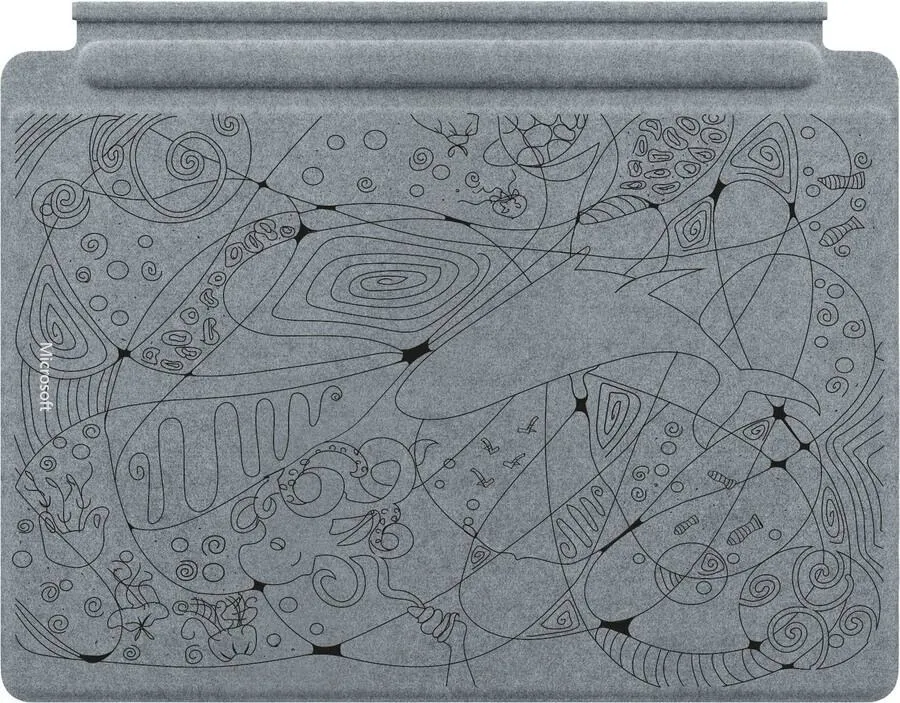
The idea was a limited-edition Surface Type Cover carrying original artwork by Teen Tech Center designers, sold at Best Buy, with proceeds supporting the Best Buy Foundation. For it to be more than a gesture, it had to work as commerce: differentiated inventory for the retailer, partner engagement and earned media for Microsoft, funding and visibility for the Foundation, and a professional credit for the young designers.
I built the business case in those terms, quantifying in-kind marketing exposure, earned media potential, sell-through projections, and foundation impact. Then I negotiated the commitments: an $80 per unit Microsoft-funded incentive structure and over $300K in committed marketing value, closed inside a 6 to 8 week cycle across four organisations with different priorities and different legal thresholds. The full in-kind value of the programme came to $320K, and the campaign around it reached about seven million impressions.
The proceeds went to the Foundation, and the value equation carried the internal case: Best Buy’s committed marketing, the site placement, the product detail page, and a campaign landing page, was valued well above the proceeds being donated, so the donation ran net-positive on marketing value and visibility before a single unit sold.
The programme underneath was a six-week one-to-one mentorship pairing eleven teen designers with Microsoft designers and professional illustrators. The winning design moved into production with the Surface team, and I coordinated the convergence of creative output, manufacturing, legal clearances, and retail launch timing. The designers kept their intellectual property, a principle the programme held to throughout. For eleven young designers from underserved communities, the mentorship, the industry contact, and a shipped product credit opened doors that were not otherwise open to them.
The product reached Best Buy shelves in FY26 Q1. The larger outcome is the method: this case became the anchor for a replicable playbook for cause-driven products, the discipline of starting with a commercial case, aligning stakeholders early, and building the mentorship so the impact is as real as the margin.